


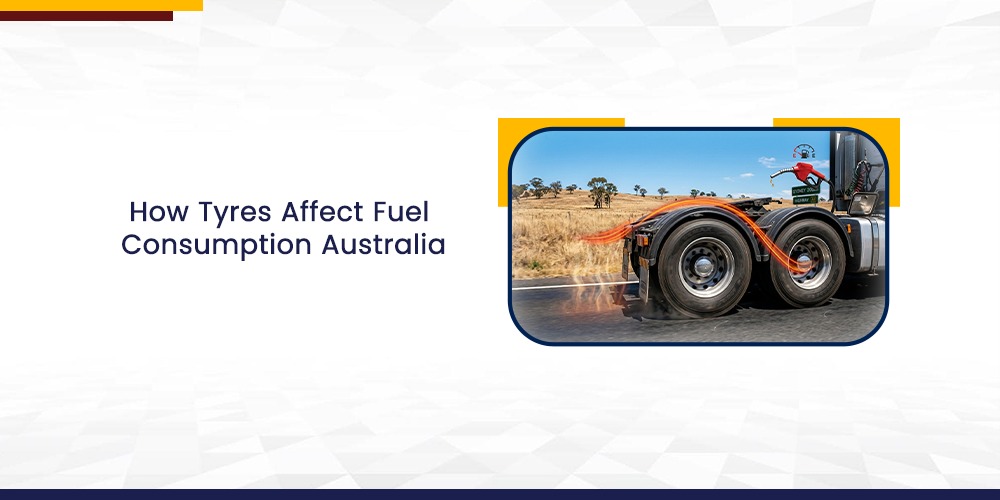
Fuel consumption is influenced by multiple
vehicle-related factors, including engine efficiency, driving behaviour, road
conditions, and tyre condition. While tyres are often overlooked in fuel
efficiency discussions, they play a direct role in how much energy a vehicle
requires to move and maintain speed.
In Australia, where vehicles are commonly
driven across suburban streets, highways, and mixed-use roads, tyre condition
and selection can influence fuel usage over time. This blog explains how tyres
affect fuel consumption, how wear and maintenance change efficiency, and what
Australian drivers should understand to manage fuel usage through correct tyre
care.
Understanding the Link Between Tyres and
Fuel Consumption
When a vehicle moves, energy is required to
overcome resistance. One of the primary sources of resistance is rolling
resistance, which occurs as tyres deform under load and rotate against the road
surface.
Tyres influence fuel usage through:
- Rolling resistance
- Inflation pressure
- Tread condition
- Tyre construction and wear patterns
Any increase in resistance requires
additional engine output, which increases fuel consumption.
Rolling Resistance Explained
Rolling resistance refers to the energy
lost when a tyre rotates under the weight of a vehicle. As the tyre deforms at
the contact patch, energy is absorbed and released. The more energy absorbed,
the more fuel is required to maintain motion.
Rolling resistance increases when:
- Tyres are underinflated
- Tread wears unevenly
- Tyres deform excessively under load
While rolling resistance is not easily
noticed during short trips, it has a measurable impact over longer driving
distances common in Australia.
Australian Driving Conditions and Fuel
Usage
Australian driving environments vary
widely. Urban driving involves frequent acceleration and braking. Highway
driving involves sustained speed. Industrial and mixed-use areas introduce
uneven surfaces and debris.
In areas such as Noble Park, Sunshine West,
and Lynbrook, vehicles often experience:
- Stop-start traffic
- Short trips combined with longer highway segments
- Variable road surfaces
These conditions amplify the effect of tyre
condition on fuel usage. Tyres that are not maintained correctly require more
energy to perform under these demands.
Tyre Pressure and Fuel Efficiency
Inflation pressure is one of the most
influential tyre-related factors affecting fuel consumption. Incorrect pressure
changes the size and shape of the tyre’s contact patch.
Effects of incorrect pressure include:
- Underinflation increases rolling resistance and fuel usage
- Overinflation reduces contact area but may increase uneven wear
Pressure also fluctuates with temperature.
Australian road surfaces can increase tyre temperature during driving, causing
pressure changes that affect efficiency.
Regular pressure checks help maintain
consistent rolling resistance. Pressure inspection and adjustment are included
during routine tyre services at Evertyres locations.
How Underinflation Increases Fuel
Consumption
Underinflated tyres deform more as they
rotate. This deformation increases friction and energy loss.
Common causes of underinflation include:
- Normal air loss over time
- Temperature drops overnight
- Load changes
Even small pressure deviations can increase
fuel usage gradually. Many drivers do not notice the change because it occurs
over time rather than immediately.
Overinflation and Efficiency Trade-Offs
Overinflated tyres reduce the contact patch
size, which can reduce rolling resistance in some conditions. However,
overinflation also causes centre tread wear and may reduce traction.
Over time, uneven wear caused by
overinflation can negate any short-term efficiency gains by increasing drag and
reducing tyre life.
Maintaining pressure within manufacturer
recommendations supports balanced efficiency and wear.
Tread Wear and Rolling Resistance
As tyres wear, tread depth reduces and the
tread pattern changes shape. These changes affect how the tyre contacts the
road.
Tread-related efficiency changes include:
- Increased resistance from uneven wear
- Reduced efficiency due to misaligned contact
- Increased drag from irregular tread blocks
Monitoring tread wear helps identify when
tyres may begin to affect fuel usage. Tread inspection is included during tyre services.
Uneven Wear and Fuel Loss
Uneven wear patterns increase rolling
resistance. Tyres with uneven contact create additional drag and require more
energy to maintain speed.
Common causes of uneven wear include:
- Incorrect pressure
- Wheel alignment issues
- Suspension-related changes
Alignment checks during tyre replacement
are performed at Evertyres stores when required.
Wheel Alignment and Fuel Consumption
Wheel alignment determines how tyres meet
the road. Misaligned wheels cause tyres to scrub against the road surface,
increasing resistance.
Effects of misalignment include:
- Increased fuel usage
- Faster tyre wear
- Steering instability
Alignment assessment during tyre servicing
helps reduce unnecessary energy loss and supports predictable fuel usage.
Vehicle Load and Tyre Efficiency
Vehicle load affects how much tyres deform
under weight. Heavier loads increase rolling resistance and fuel usage.
Load-related considerations include:
- Passenger and cargo weight
- Commercial use
- Towing
Tyres with appropriate load ratings manage
deformation more effectively under load. Suitable tyre options for different
vehicle types can be reviewed through the Evertyres inventory.
Driving Style and Tyre Efficiency
Driving behaviour influences how tyres
affect fuel consumption. Aggressive acceleration, frequent braking, and
high-speed driving increase resistance-related losses.
Tyres under these conditions experience:
- Increased deformation
- Faster wear
- Higher heat buildup
Maintaining tyres correctly reduces the
impact of driving behaviour on fuel usage, particularly during highway travel.
Temperature Effects on Efficiency
Australian temperatures influence tyre
behaviour. Heat affects rubber flexibility and air pressure, both of which
influence rolling resistance.
During warmer months:
- Pressure increases during driving
- Rubber compounds respond differently under load
Monitoring pressure during seasonal changes
helps maintain consistent efficiency.
Ageing Tyres and Fuel Consumption
Tyres age over time due to heat, oxygen
exposure, and environmental factors. As rubber compounds harden, rolling
resistance characteristics change.
Age-related changes may:
- Increase resistance
- Reduce flexibility
- Affect efficiency even with acceptable tread depth
Age-related inspection is included during
tyre assessment through Evertyres services.
Fuel Consumption Differences Over Time
Differences in fuel usage caused by tyres
often appear gradually. Drivers may not notice small changes during daily trips
but may observe higher fuel usage over months.
Tracking fuel consumption over time can
help identify when tyre condition may be contributing to increased usage.
Online Research and Tyre Selection
Drivers often research tyres online when
fuel usage changes. Reviewing tyre options and specifications before visiting a
store helps reduce selection errors.
Evertyres provides tools that allow drivers
to:
- Review tyre options through the inventory
- Compare sizes using the shop
- Locate service locations via stores
Enquiries related to fuel efficiency
concerns can be made through contact.
Maintenance Practices That Support Fuel
Efficiency
Tyre maintenance practices that support
fuel efficiency include:
- Monthly pressure checks
- Monitoring tread wear
- Timely wheel alignment
- Replacing tyres when wear affects efficiency
These practices help maintain predictable
fuel usage over the tyre’s service life.
Why Tyres Are Often Overlooked in Fuel
Efficiency
Tyres do not cause sudden changes in fuel
usage. Instead, they contribute gradually, which makes their impact less
obvious. Many drivers attribute higher fuel usage to engine or driving conditions
without considering tyre condition.
Regular inspection helps identify
tyre-related efficiency issues early.
Conclusion
Tyres influence fuel consumption through
rolling resistance, pressure management, wear patterns, alignment, and load
handling. Australian driving conditions amplify these effects over time,
particularly during longer trips and seasonal temperature changes.
Drivers who maintain tyres correctly and
select tyres based on vehicle usage reduce unnecessary fuel consumption and
support predictable operating costs.