


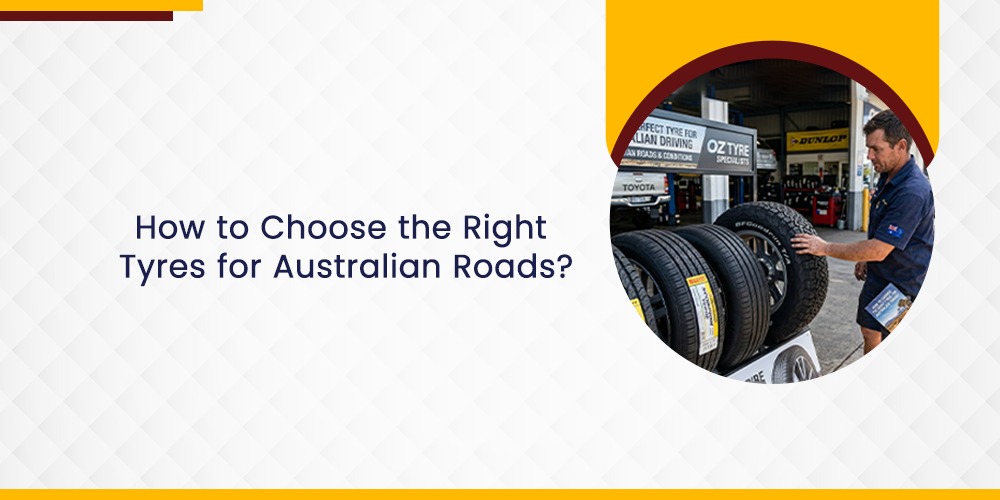
Tyres influence how a vehicle stops,
turns, and responds to changes in road surface. Every input from the steering
wheel, accelerator, or brake pedal transfers through the tyres before reaching
the road. Because of this, tyre selection affects safety, wear patterns, and
long-term running costs.
Australian driving conditions introduce
factors that are not always considered during tyre replacement. Road surface
variation, temperature exposure, and mixed driving environments place different
demands on tyres. This blog explains how to choose tyres based on these factors
so that replacement decisions are based on usage and vehicle requirements
rather than price alone.
Australian Roads and Everyday Driving
Conditions
Australian road networks include
suburban streets, arterial roads, highways, and industrial access routes. Most
drivers operate across more than one of these environments during a typical
week. In areas such as Noble Park, Sunshine West, and Lynbrook, vehicles often
encounter:
- Stop-start traffic
- Frequent braking and turning
- Surface variations caused by repairs and heavy vehicles
- Mixed passenger and commercial traffic
These conditions influence tyre wear in
specific ways. Repeated braking places stress on the tyre shoulders. Turning at
intersections increases lateral load. Uneven surfaces affect tread contact.
Highway driving introduces sustained speed and temperature buildup.
Tyres selected without considering these
conditions may wear unevenly or require earlier replacement than expected.
Understanding Tyre Categories Used in
Australia
Most Australian vehicles fall into three
broad tyre categories. Selecting the correct category helps manage wear and
maintain vehicle control.
Passenger Vehicles
Passenger vehicles include sedans,
hatchbacks, and wagons used for commuting and general travel. These vehicles
typically use all-season tyres designed for sealed roads.
Passenger tyres support:
- Urban driving
- Highway travel
- Daily commuting
Drivers can review passenger tyre sizes
and specifications through the Evertyres inventory,
where tyres are listed according to vehicle category and rim size.
SUVs and Four-Wheel Drives
SUVs and four-wheel drives require tyre
selection based on how the vehicle is actually used.
Common usage patterns include:
- Sealed road driving
- Mixed sealed and unsealed road driving
- Load carrying or towing
Vehicles driven mainly on sealed roads
use highway-terrain tyres. Vehicles operating on mixed surfaces require
all-terrain tyres. Using tyres intended for off-road use on vehicles driven
mostly in urban areas often increases wear and fuel usage.
SUV and four-wheel drive tyre options
are listed within the Evertyres inventory
to support selection by vehicle type.
Light Commercial Vehicles
Light commercial vehicles such as vans
and utes operate under higher load conditions. These vehicles require tyres
with load ratings that match carrying requirements.
Key considerations include:
- Load index
- Rim size
- Vehicle weight when loaded
Light commercial tyre options supplied
by Evertyres are included within the same inventory
system, allowing drivers to filter tyres based on these requirements.
Manufacturer Specifications and Why They
Matter
Every vehicle manufacturer specifies
tyre size, load index, and speed rating. These specifications are determined
based on braking performance, suspension geometry, and vehicle mass.
These details are found:
- On the vehicle placard
- In the owner’s manual
Using tyres that do not meet these
specifications can affect:
- Braking distance
- Steering response
- Vehicle stability
Tyre replacement and fitting at
Evertyres is carried out according to these specifications as part of the tyre services
offered at each location.
How to Read Tyre Markings
Tyre sidewall markings provide
information required for correct selection. A marking such as 205/55 R16 91V
represents:
- 205: tyre width in millimetres
- 55: sidewall height as a percentage of width
- R16: radial construction for a 16-inch wheel
- 91: load index
- V: speed rating
Each value plays a role in how the tyre
interacts with the vehicle. Selecting tyres that match these markings ensures
compatibility with braking and suspension systems.
Drivers unsure about interpreting tyre
markings can confirm specifications during tyre replacement through Evertyres services.
Driving Habits and Tyre Wear Patterns
How a vehicle is driven influences how
tyres wear over time. Different driving patterns produce different wear
characteristics.
Urban driving typically results in:
- Increased shoulder wear
- Uneven wear from frequent braking
Highway driving typically results in:
- Increased centre tread wear
- Heat buildup during sustained speed
Vehicles carrying loads experience:
- Increased structural stress
- Faster wear if load ratings are insufficient
Tyres selected without reference to
driving habits often wear unevenly. Matching tyre category to usage helps
distribute wear more evenly and supports predictable replacement cycles.
Temperature Exposure and Inflation
Pressure
Australian road surfaces can reach high
temperatures during warmer months. Heat affects tyre pressure and compound
behaviour.
Incorrect inflation pressure during high
temperatures can lead to:
- Uneven tread wear
- Increased structural stress
- Reduced tyre life
Maintaining correct inflation pressure
supports consistent contact between the tyre and road surface. Pressure checks
and inspections form part of routine tyre services
available through Evertyres locations.
Wheel Alignment and Its Impact on Tyre
Life
Wheel alignment determines how tyres
contact the road. Misalignment causes uneven wear and steering deviation even
when tyres are correctly specified.
Signs of alignment issues include:
- Vehicle pulling to one side
- Uneven tread wear
- Steering wheel not centred
Alignment checks are carried out during
tyre replacement at Evertyres stores
when required.
Tyre Installation and Post-Installation
Checks
Tyre installation includes:
- Mounting tyres to rims
- Balancing assemblies
- Setting correct inflation pressure
- Inspecting valves and wheels
Incorrect installation can result in
vibration and uneven wear. Installation is carried out at Evertyres stores
according to vehicle requirements.
Ongoing Tyre Maintenance
After installation, tyres require
periodic checks to manage wear and identify issues early. These checks include:
- Pressure monitoring
- Tread depth inspection
- Rotation where applicable
Maintenance support is provided through
Evertyres services
as part of ongoing tyre care.
Using Online Tools Before Visiting a
Store
Drivers often begin tyre research
online. Reviewing available sizes and categories before visiting a store helps
reduce selection errors.
Evertyres provides online tools that
allow drivers to:
- Review tyre availability via the shop
- Browse tyre categories through the inventory
- Locate nearby service locations under stores
For questions related to tyre selection
or availability, details are available via contact.
Choosing tyres for Australian roads requires alignment with vehicle specifications, road conditions, and driving usage. Understanding tyre categories, markings, pressure
Choosing tyres for Australian roads requires alignment with vehicle specifications, road conditions, and driving usage. Understanding tyre categories, markings, pressure
Replacing tyres based only on price
often leads to:
- Shorter replacement intervals
- Uneven wear
- Increased maintenance requirements
Selecting tyres that match vehicle use
and specifications supports:
- Even wear
- Planned replacement timing
- Predictable handling
This approach reduces unexpected
replacement costs and supports consistent vehicle operation.
Conclusion
Choosing tyres for Australian roads
requires alignment with vehicle specifications, road conditions, and driving
usage. Understanding tyre categories, markings, pressure management, and
maintenance requirements supports consistent tyre performance and planned
replacement cycles.
Drivers who base tyre selection on
technical requirements rather than price alone reduce uneven wear and maintain
predictable vehicle behaviour over time.