


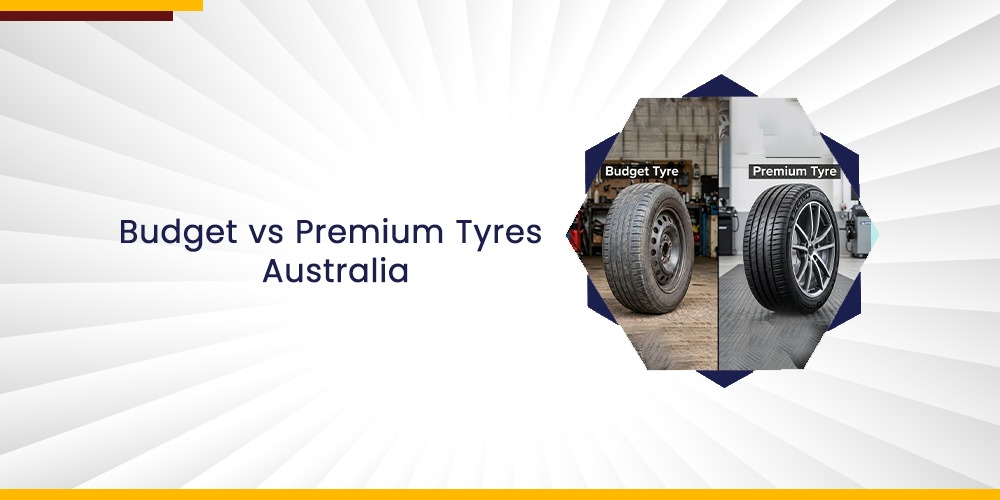
When replacing tyres, one of the most common decisions Australian drivers face is choosing between budget tyres and premium tyres. The price difference between these options can be significant, which often leads drivers to question what they are actually paying for and whether higher-priced tyres provide measurable benefits.
This comparison explains what changes between budget and premium tyres in practical terms, how those differences affect everyday driving in Australia, and how drivers can decide which option aligns with their vehicle usage and replacement expectations.
Why This Comparison Matters for Australian Drivers
Australian drivers operate vehicles in conditions that include suburban traffic, highways, variable road surfaces, and temperature exposure. These factors influence how tyres wear and how performance changes over time.
Budget and premium tyres are designed to meet the same basic legal requirements, but they differ in how they manage wear, heat, and braking forces across their service life. Understanding these differences helps drivers make decisions based on usage rather than price alone.
What Budget Tyres Are Designed For
Budget tyres are produced to meet minimum safety and regulatory standards while keeping manufacturing and material costs controlled. These tyres are commonly selected for vehicles that are driven short distances, at moderate speeds, and with predictable usage patterns.
Budget tyres are often chosen by drivers who:
• Drive mainly in urban areas
• Cover lower annual kilometres
• Replace vehicles frequently
• Prioritise upfront replacement cost
Budget tyre options available at Evertyres can be reviewed through the inventory, where tyres are listed by size and vehicle category.
What Premium Tyres Are Designed For
Premium tyres are designed with a focus on consistency over time. While they also meet the same legal requirements, differences appear in how these tyres manage wear, braking, and heat exposure across their service life.
Premium tyres are commonly selected by drivers who:
• Drive longer distances
• Spend more time on highways
• Experience frequent wet road conditions
• Expect predictable performance over longer replacement intervals
Premium tyre options are listed alongside other categories within the Evertyres inventory to allow comparison by size and specification.
Material and Construction Differences
One of the primary differences between budget and premium tyres lies in material formulation and construction processes.
Budget tyres typically use simpler rubber compounds and tread designs intended to meet baseline performance targets. Premium tyres often use compound blends designed to manage heat and wear more evenly.
These differences influence:
• How quickly tread wears
• How the tyre responds to braking
• How performance changes as the tyre ages
These factors become more noticeable over longer driving distances rather than immediately after installation.
Tread Wear and Replacement Frequency
Tread wear determines how long a tyre remains serviceable. Budget tyres often wear at a faster rate, particularly when driven under higher temperatures or on highways.
Premium tyres generally wear more evenly across the tread surface when maintained correctly. This supports more predictable replacement timing.
Factors that influence tread wear include:
• Road surface conditions
• Driving speed
• Inflation pressure
• Vehicle load
Tread inspection and wear assessment are part of routine tyre services provided during maintenance and replacement checks.
Braking and Handling Differences
Braking performance changes as tyres wear. When tread depth reduces, tyres become less effective at dispersing water and maintaining road contact.
Budget tyres may show a more noticeable reduction in braking performance as tread depth decreases. Premium tyres often maintain more consistent braking behaviour across a wider portion of their service life.
Handling differences may also appear during:
• Emergency braking
• Wet road driving
• Highway lane changes
These changes are gradual and often become noticeable only when tyres approach mid-to-late wear stages.
Performance on Wet Roads
Wet road conditions are a common concern for Australian drivers, particularly during seasonal rainfall. Tread design and compound behaviour influence how tyres manage water dispersion.
As tyres wear:
• Budget tyres may lose wet braking consistency earlier
• Premium tyres may retain more predictable wet handling for longer
Wet condition inspection and tread depth checks are included during tyre services at Evertyres locations.
Noise and Driving Feel Over Time
Tyre noise and vibration can change as tyres wear. Budget tyres may develop increased road noise as tread patterns wear unevenly. Premium tyres are often designed to manage noise progression across their lifespan.
These differences may not be noticeable immediately but can become more apparent over extended use, particularly during highway driving.
Fuel Usage Considerations
Tyres influence rolling resistance, which affects fuel usage. Differences between budget and premium tyres in this area tend to be gradual rather than immediate.
Factors affecting fuel usage include:
• Tyre compound behaviour
• Inflation pressure
• Vehicle load
Maintaining correct pressure plays a greater role in fuel usage than tyre category alone. Pressure checks are included during routine tyre services.
Maintenance Requirements for Each Category
Both budget and premium tyres require regular maintenance. However, maintenance frequency can influence how long each tyre type remains serviceable.
Key maintenance practices include:
• Regular pressure checks
• Wheel alignment when replacing tyres
• Monitoring tread wear patterns
Alignment checks during tyre replacement are performed at Evertyres stores when required.
Total Cost Over Time
While budget tyres have a lower upfront cost, total cost should be assessed over the tyre’s service life.
Total cost considerations include:
• Replacement frequency
• Maintenance requirements
• Wear consistency
In some usage scenarios, premium tyres may result in fewer replacements over the same driving distance. In other scenarios, budget tyres may remain suitable due to lower annual usage.
Choosing Based on Driving Patterns
The choice between budget and premium tyres depends primarily on how the vehicle is used.
Budget tyres may suit:
• Short-distance urban driving
• Low annual kilometres
• Secondary vehicles
Premium tyres may suit:
• Regular highway driving
• Higher annual kilometres
• Vehicles driven in mixed conditions
Drivers can review available options and compare sizes through the Evertyres shop before visiting a location.
Getting Tyres Fitted and Assessed
Regardless of tyre category, correct fitting and inspection are required to ensure predictable performance. Tyre replacement includes mounting, balancing, and inspection of related components.
Tyre fitting is carried out at Evertyres stores according to vehicle specifications.
Online Research and In-Store Support
Many drivers begin tyre research online before visiting a store. Reviewing tyre categories and sizes in advance helps reduce selection errors.
Evertyres provides tools that allow drivers to:
• Review tyre availability through the inventory
• Compare options using the shop
• Find nearby locations via stores
Questions related to tyre suitability can be addressed through contact.
Conclusion
The difference between budget and premium tyres lies in how performance changes over time rather than immediate usability. Both tyre categories meet legal requirements, but wear consistency, braking behaviour, and replacement intervals vary depending on usage.
Drivers who choose tyres based on driving patterns, road conditions, and expected service life are better positioned to manage long-term costs and maintain predictable vehicle behaviour.